The Data Broker Economy Is Still Built Around Friction
If privacy depends on filling out hundreds of requests, the system is designed against the individual.
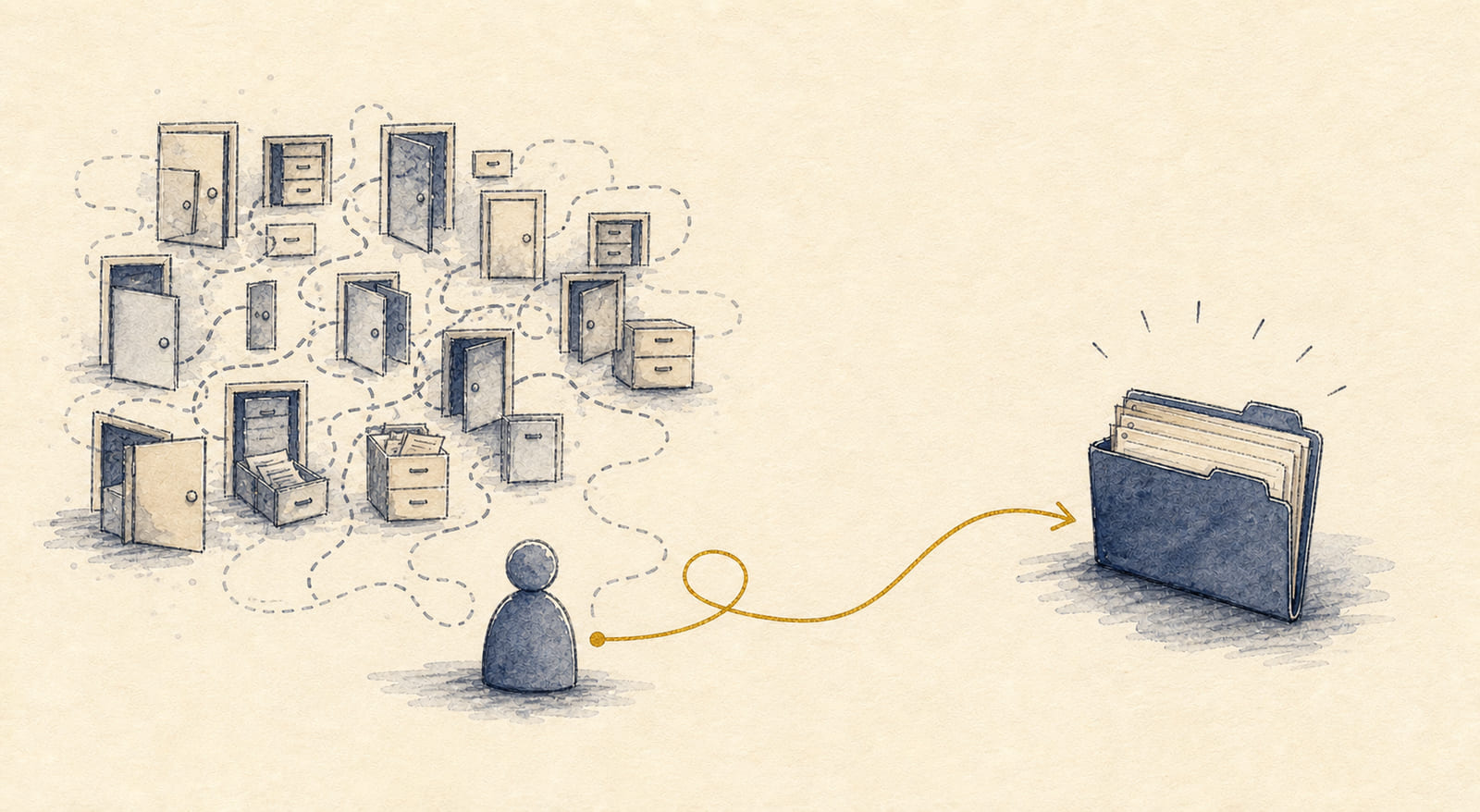
Why this matters
There is something absurd about needing to become a part-time administrator just to ask strangers to stop selling information about you.
Find the broker. Find the form. Prove your identity. Repeat it again. Repeat it again. Check later. Hope it worked. Discover another broker. Start over.
This is the part of privacy that sounds small until you actually try to do it.
The right may exist on paper, but the work sits with the individual. And when enough work sits with the individual, most people simply will not do it.
That is not a user failure. That is product design.
Worked example
The U.S. Joint Economic Committee’s February 2026 report on data brokers describes the opt-out process as fragmented and burdensome, with consumers often forced to identify brokers individually, submit separate requests, and navigate different verification requirements.
California’s DROP is a good response to that problem. It gives residents a single place to ask registered data brokers to delete their information. The official California page says the request can be sent to more than 500 registered brokers, and brokers must begin processing DROP deletion requests from August 1, 2026.
That is a meaningful improvement.
But the underlying pattern is still worth noticing.
Friction is part of the data broker economy’s protection mechanism. If opting out is difficult enough, most people remain in the system by default. Their data keeps circulating because removal requires time, attention, and persistence.
This is why centralized deletion tools matter. They reduce the work. They move some burden away from the person. They make a right more usable.
But they do not solve the whole ownership problem.
Limitations / not a fit
Deletion is important. Some data should not be traded, packaged, or exposed in the first place.
But deletion is still a negative right. It helps someone say: stop using this.
It does not answer the next question: how can I use my own data for myself?
That distinction matters more as personal AI becomes more useful. A person’s messages, files, devices, habits, calendar, preferences, and history can become valuable personal context. If all we build are better ways to remove that data from other people’s systems, we have only solved the defensive half of the problem.
The other half is agency.
People need ways to keep useful copies, make sense of them, correct them, move them, and choose what private tools may use them. Otherwise the personal data economy keeps being organized around everyone except the person generating the data.